What Is the Nasdaq?
If you follow financial news, you've probably heard reporters say things like "the Nasdaq fell 2% today" or "the company went public on the Nasdaq." But what exactly is the Nasdaq, and why does it matter to investors?
The Nasdaq is both a major U.S. stock exchange and a widely followed stock market index. Understanding the difference between these two meanings — and how each works — is an important step for any beginner investor.
The Nasdaq Exchange: The World's First Electronic Stock Market
The Nasdaq stock exchange was founded in 1971 by the National Association of Securities Dealers (NASD). Its full original name was the National Association of Securities Dealers Automated Quotations — which is where the acronym Nasdaq comes from.
Nasdaq was revolutionary because it was the world's first fully electronic stock market. Before Nasdaq existed, stock trading happened in person on a physical trading floor — buyers and sellers had to be present or represented in the same location to execute trades. Nasdaq changed everything by creating an automated, computerized marketplace where trades could happen instantly without a physical floor.
Today, the Nasdaq exchange is headquartered in New York City and is the second-largest stock exchange in the world by market capitalization — behind only the New York Stock Exchange (NYSE). More than 3,000 companies are listed on the Nasdaq, including many of the world's most recognizable technology companies.
Which Companies Trade on the Nasdaq?
The Nasdaq is best known as the home of large technology companies. Some of the most recognizable names listed on the Nasdaq include:
- Apple (AAPL)
- Microsoft (MSFT)
- Amazon (AMZN)
- Alphabet / Google (GOOGL)
- Meta Platforms (META)
- NVIDIA (NVDA)
- Tesla (TSLA)
While the Nasdaq is heavily associated with technology, it also lists companies in healthcare, biotechnology, consumer goods, financial services, and other sectors. Any company that meets the Nasdaq's listing requirements — such as minimum market capitalization, trading volume, and corporate governance standards — can apply to list its shares on the exchange.
How the Nasdaq Works
Unlike the NYSE, which historically operated with a specialist system (one designated market maker per stock on a physical floor), the Nasdaq uses a "market maker" model. More than 500 member firms act as market makers on the Nasdaq. These firms compete against each other to buy and sell shares by continuously posting bid and ask prices.
When you place an order to buy or sell a Nasdaq-listed stock through your brokerage account, the order is routed electronically to one of these market makers, who matches buyers and sellers and executes the trade — typically in milliseconds.
The Nasdaq is open for regular trading from 9:30 a.m. to 4:00 p.m. Eastern Time on weekdays. It also offers pre-market trading from 4:00 a.m. to 9:30 a.m. and after-hours trading from 4:00 p.m. to 8:00 p.m. Eastern Time, though liquidity is typically lower outside regular hours.
The Three Tiers of the Nasdaq
Since 2006, the Nasdaq has been organized into three market tiers, each with its own listing requirements:
- Nasdaq Global Select Market: The highest tier, with the strictest financial and corporate governance requirements. Most large technology companies are listed here.
- Nasdaq Global Market: A mid-tier market for companies that meet a strong set of financial and liquidity standards.
- Nasdaq Capital Market: The entry-level tier, designed for smaller companies that meet Nasdaq's minimum standards.
The Nasdaq Composite Index: More Than Just an Exchange
When you hear financial news anchors say "the Nasdaq was up today," they are usually referring to the Nasdaq Composite Index — not the exchange itself. It's important to understand the difference.
The Nasdaq Composite Index tracks more than 3,000 companies listed on the Nasdaq exchange. Launched in 1971 alongside the exchange, it is one of the most widely followed stock market indexes in the world.
The Nasdaq Composite is a market-capitalization-weighted index, which means that larger companies have a bigger influence on its value than smaller companies. Because the Nasdaq is home to so many major technology companies, the Composite is heavily weighted toward the tech sector. When tech stocks rise or fall, the Nasdaq Composite tends to move sharply in the same direction.
The Nasdaq-100: A Narrower, Tech-Focused Index
There is another important Nasdaq index that investors should know: the Nasdaq-100.
Launched in 1985, the Nasdaq-100 tracks the 100 largest non-financial companies listed on the Nasdaq exchange. It deliberately excludes financial companies like banks and insurance firms. Because the Nasdaq-100 is made up of large, growth-oriented technology companies, it has historically been more volatile than broader indexes — but has also delivered strong long-term returns over certain periods.
Many popular exchange-traded funds (ETFs) track the Nasdaq-100, including the Invesco QQQ ETF (QQQ), which is one of the most heavily traded ETFs in the world.
Nasdaq vs. NYSE: What's the Difference?
Both the Nasdaq and the New York Stock Exchange (NYSE) are major U.S. stock exchanges, but there are some key differences:
- History: The NYSE was founded in 1792 and is the older of the two. The Nasdaq opened in 1971.
- Trading model: The NYSE traditionally used specialist market makers; Nasdaq uses a fully electronic, competitive market maker system.
- Company mix: The Nasdaq attracts many technology and growth companies. The NYSE lists companies across all sectors, including large, established blue-chip companies.
- Size: The NYSE is the world's largest exchange by market capitalization; the Nasdaq is second-largest.
From a practical standpoint, individual investors can buy shares listed on either exchange through the same brokerage account. There is no difference in how you trade a Nasdaq-listed stock versus a NYSE-listed stock.
Why the Nasdaq Matters to Investors
The Nasdaq is a key benchmark for the health of the technology sector and the broader growth stock market. Here's why it matters:
- Technology exposure: If you want exposure to major technology companies, many of them trade on the Nasdaq.
- Growth indicator: The Nasdaq's performance is often used as a measure of investor appetite for growth stocks and innovation-driven sectors.
- Volatility awareness: Because the Nasdaq is tech-heavy, it tends to be more volatile than the S&P 500 or the Dow Jones Industrial Average.
- Index funds and ETFs: Many popular index funds and ETFs track the Nasdaq Composite or the Nasdaq-100, giving investors broad exposure to Nasdaq-listed companies.
A Brief History: From Dot-Com Boom to Tech Giant
The Nasdaq's history includes some of the most dramatic moments in market history. During the late 1990s dot-com bubble, the Nasdaq Composite surged as technology and internet companies attracted enormous investor enthusiasm. The index peaked in March 2000 before losing more than 75% of its value over the following two years as the bubble burst.
The Nasdaq has since recovered and grown significantly. Many of the companies that now define the modern technology industry — Apple, Amazon, Google, Meta, and others — have made the Nasdaq a central benchmark of the global economy.
In 2008, Nasdaq merged with the Scandinavian exchange group OMX to form Nasdaq OMX Group, later renamed Nasdaq Inc. in 2015. Today, Nasdaq Inc. operates exchanges and markets around the world and provides trading technology used by more than 100 exchanges in over 50 countries.
Beginner Example: Watching the Nasdaq in Real Life
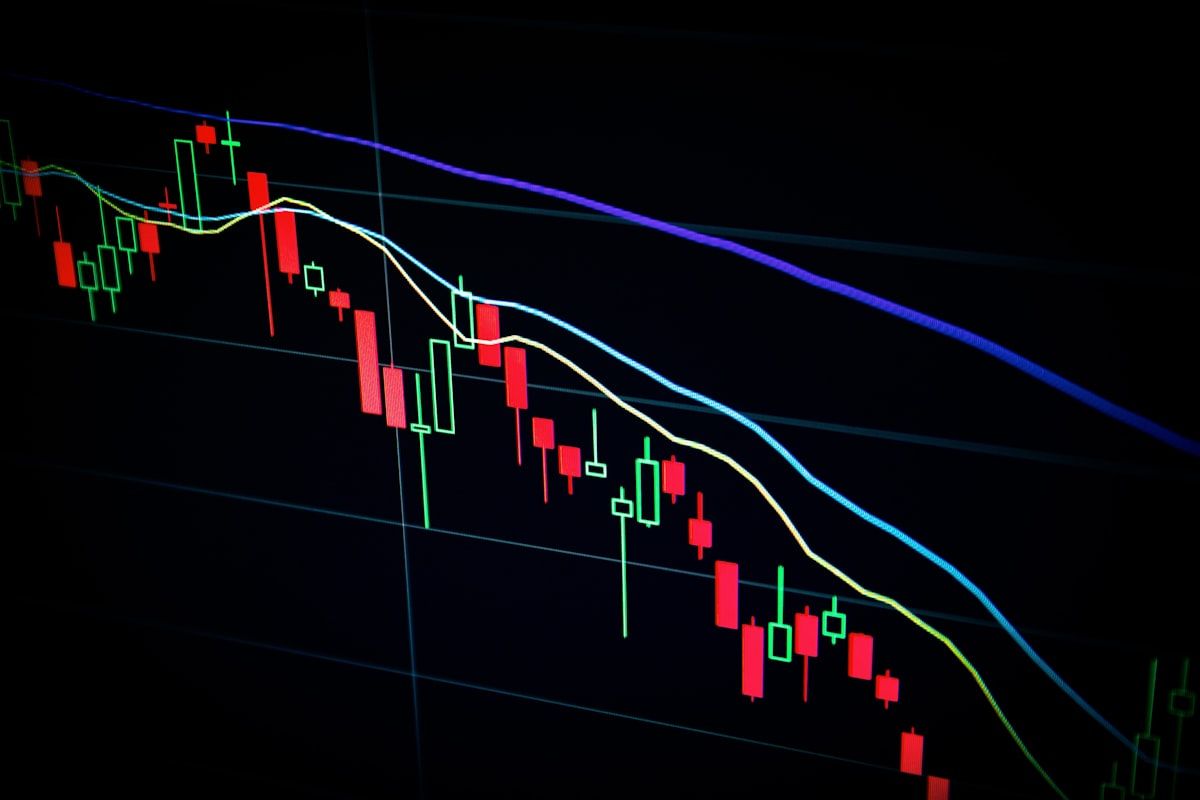
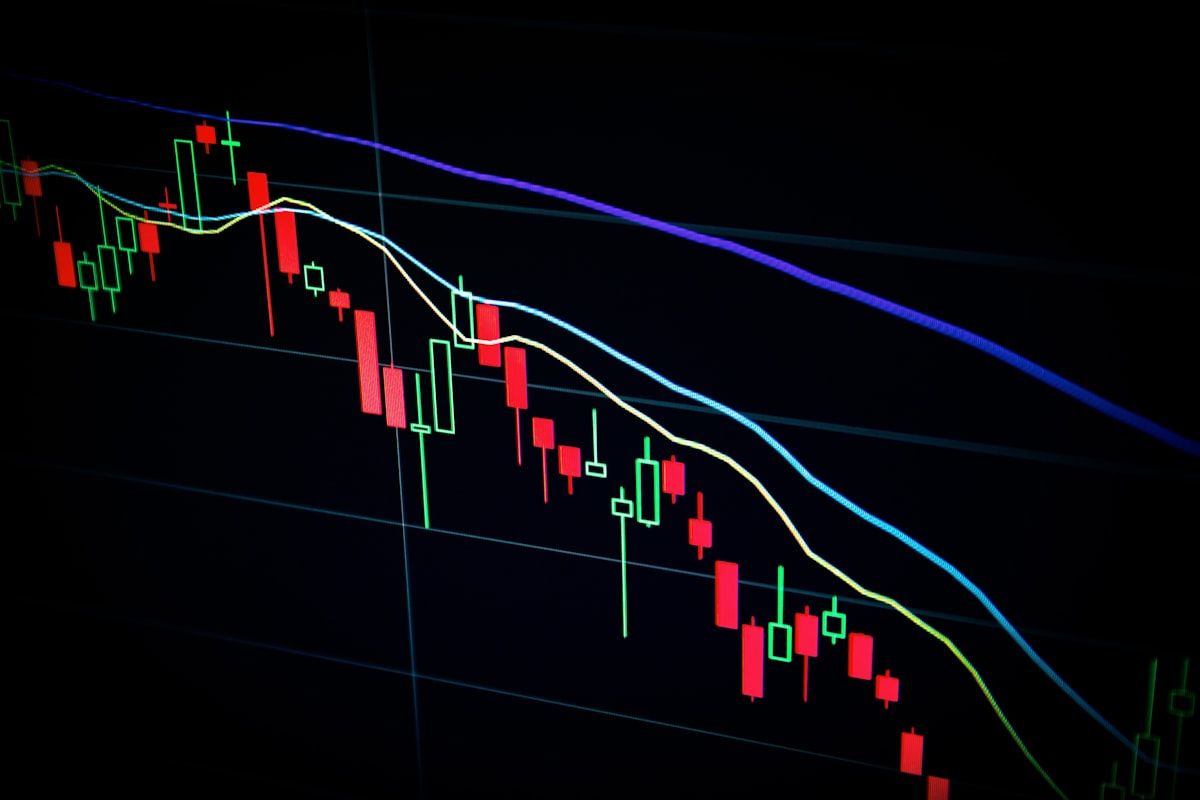
Imagine you turn on the financial news one evening and the anchor says: "The Nasdaq fell 1.5% today as technology stocks sold off on concerns about interest rates."
What the anchor means is that the Nasdaq Composite Index declined 1.5% that day. Because the Composite is heavily weighted toward large technology companies, a broad sell-off in the sector — perhaps driven by fears that higher interest rates would reduce future corporate profits — pulled the entire index lower.
If you owned an index fund that tracks the Nasdaq Composite or the Nasdaq-100, your investment would have declined approximately 1.5% that day as well. This example illustrates why the Nasdaq is more volatile than other indexes: its heavy technology concentration means that sector-specific news can have an outsized effect on the entire index.
Common Mistakes to Avoid
- Confusing the exchange with the index: "The Nasdaq" can refer to the exchange (where stocks are listed) or the Nasdaq Composite Index (a measure of performance). These are related but not the same thing.
- Assuming the Nasdaq is only technology: While tech dominates, the Nasdaq also lists companies in healthcare, retail, finance, and other sectors.
- Confusing the Nasdaq Composite and the Nasdaq-100: The Composite tracks more than 3,000 companies; the Nasdaq-100 tracks only the 100 largest non-financial companies. They perform differently over time.
- Thinking you must pick one exchange: You can own stocks listed on both the Nasdaq and the NYSE in the same brokerage account.
- Chasing recent performance: The Nasdaq can outperform during bull markets but can also decline more sharply in downturns. Past performance does not guarantee future results.
Frequently Asked Questions
What does Nasdaq stand for?
Nasdaq originally stood for National Association of Securities Dealers Automated Quotations. Today, the company simply goes by Nasdaq, Inc.
Is the Nasdaq the same as the S&P 500?
No. The S&P 500 tracks 500 large U.S. companies listed on either the Nasdaq or the NYSE. The Nasdaq Composite tracks only companies listed on the Nasdaq exchange. Many large companies — such as Apple and Microsoft — appear in both indexes.
Can I invest directly in the Nasdaq?
You cannot invest directly in the Nasdaq exchange or the Nasdaq Composite Index itself. However, you can buy ETFs or index funds that track the Nasdaq-100 or the Nasdaq Composite, such as the Invesco QQQ ETF or the Fidelity Nasdaq Composite Index Fund.
Why is the Nasdaq more volatile than the Dow or S&P 500?
Because the Nasdaq Composite and Nasdaq-100 are heavily weighted toward technology and growth companies, they react more strongly to factors like interest rate changes, earnings surprises, and shifts in investor sentiment. Broader indexes include companies from a wider range of industries, which can cushion volatility.
When was the Nasdaq founded?
The Nasdaq opened for trading on February 8, 1971. It was the world's first electronic stock market.
What are the Nasdaq's trading hours?
The Nasdaq's regular trading session runs from 9:30 a.m. to 4:00 p.m. Eastern Time, Monday through Friday. Pre-market trading begins as early as 4:00 a.m. ET, and after-hours trading extends until 8:00 p.m. ET.
Conclusion: Understanding the Nasdaq as a Building Block
The Nasdaq is one of the most important institutions in modern finance. As the world's first electronic stock exchange, it transformed how securities are traded and became the center of the global technology industry.
For beginner investors, understanding what the Nasdaq is — both as an exchange and as a set of indexes — is essential for interpreting market news, evaluating investment options, and building a long-term investment strategy. Whether you are following the daily moves of the Nasdaq Composite, considering an ETF that tracks the Nasdaq-100, or simply learning which exchange your favorite technology company trades on, this knowledge will help you make more informed decisions.
As always, continue learning before making any investment decisions. Understanding the tools and markets available to you is the first step toward building a solid financial future.
Sources
- Investopedia — "Nasdaq Explained: History, Trading System, and Financial Insights" — https://www.investopedia.com/terms/n/nasdaq.asp — Updated August 8, 2025
- Fidelity — "What is the Nasdaq?" — https://www.fidelity.com/learning-center/smart-money/what-is-nasdaq
- Nasdaq.com — "Nasdaq Composite Index" — https://www.nasdaq.com/solutions/global-indexes/nasdaq-composite
- Corporate Finance Institute — "NASDAQ" — https://corporatefinanceinstitute.com/resources/career-map/sell-side/capital-markets/nasdaq
- State Street Global Advisors — "What is the Nasdaq and how does it drive the modern global economy?" — https://www.ssga.com/us/en/intermediary/insights/what-is-the-nasdaq-and-how-does-it-drive-the-modern-global-economy