
Real Estate
Understanding Closing Costs
Closing costs are the fees and expenses due at settlement when buying a home. This guide explains what closing costs include, how much to expect, and how to red…
July 22, 2026
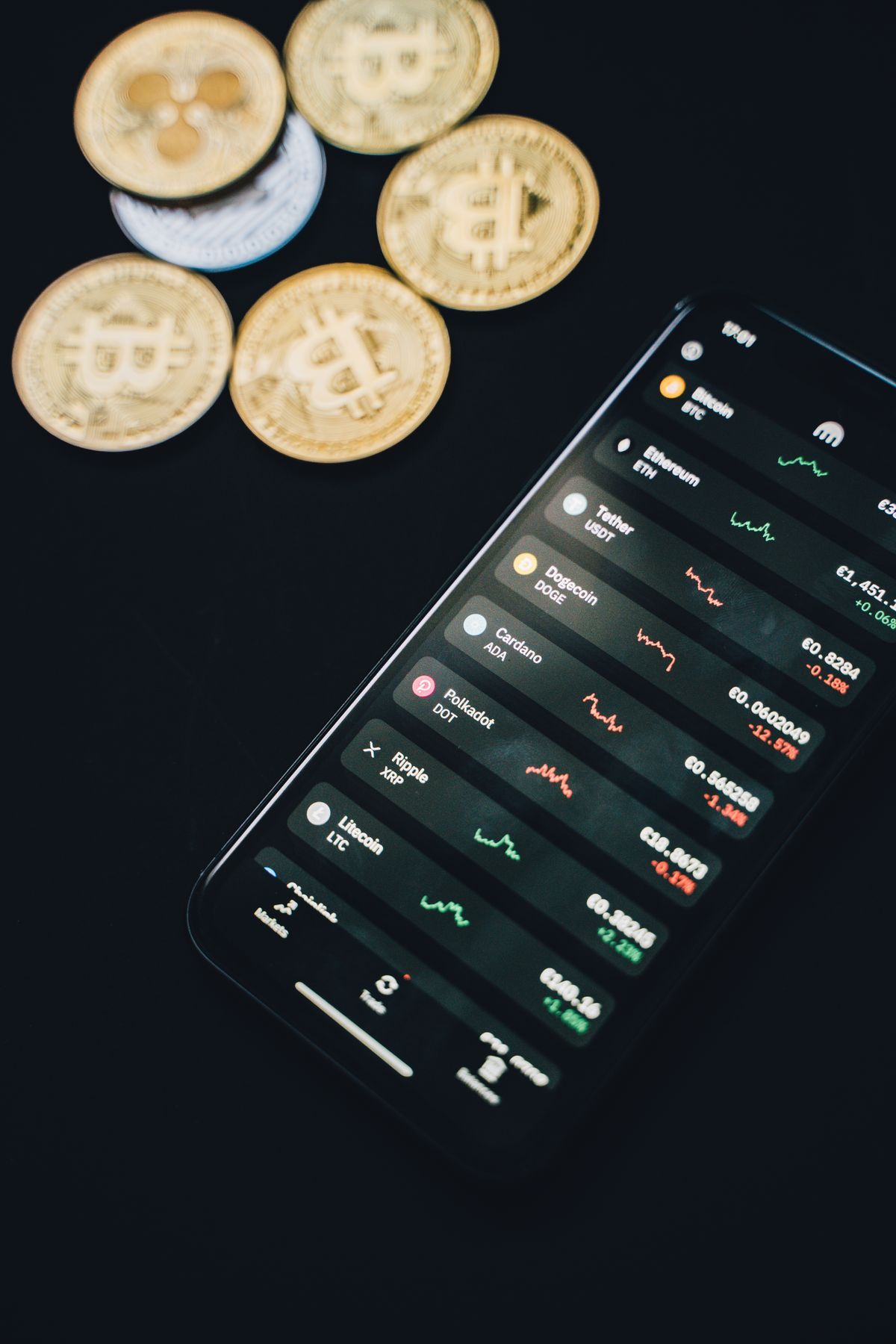
Once you buy cryptocurrency, the next critical question is: where do you keep it? Unlike money in a bank account, cryptocurrency is not insured by a government agency like the FDIC. If your crypto is lost, stolen, or locked away in an inaccessible wallet, there is no customer support line to call and no way to recover it.
This guide explains the different ways to store cryptocurrency safely, the strengths and weaknesses of each approach, and the essential security practices every beginner should know before holding digital assets.
It is important to understand that cryptocurrency is never physically stored on a device or in a file. Instead, your crypto exists as a record on a public blockchain. What you actually store is the private key — a secret cryptographic code that proves you own the funds and authorizes you to send them.
A cryptocurrency wallet does not hold your coins. It holds the private keys that give you access to your coins on the blockchain. Lose your private key with no backup, and your funds are permanently inaccessible.
This is why how you store your crypto keys — and who controls them — is one of the most important security decisions you will make as a crypto user.
When you buy cryptocurrency on a centralized exchange like Coinbase, Kraken, or Binance, your funds sit in an exchange-controlled wallet by default. The exchange holds your private keys, not you. This is called custodial storage.
Advantages: Easy to use, no technical setup required, built-in account recovery if you forget your password.
Disadvantages: You do not control your private keys. If the exchange is hacked, goes bankrupt, or freezes withdrawals, you may lose access to your funds. The collapse of the FTX exchange in 2022 left many users unable to recover their assets — a stark reminder of custodial risk.
A popular saying in the crypto community captures this risk: "Not your keys, not your coins."
Software wallets are apps or browser extensions that store your private keys on an internet-connected device. Examples include MetaMask (browser extension), Trust Wallet (mobile), and Exodus (desktop).
Unlike exchange wallets, most software wallets are non-custodial — you control your private keys and receive a seed phrase when you set them up. They offer more security than leaving funds on an exchange while still being convenient for regular use.
Advantages: Free to use, convenient for regular transactions, compatible with decentralized apps (dApps) and DeFi protocols.
Disadvantages: Still vulnerable to malware, phishing attacks, and device theft because the keys are on an internet-connected device. Not recommended for storing large amounts of crypto long-term.
Hardware wallets are physical devices — often resembling USB drives — that store your private keys completely offline. Popular examples include the Ledger Nano X and the Trezor Safe 3.
When you want to make a transaction, you connect the hardware wallet to your computer, confirm the transaction on the device's screen, and the keys never leave the device. Even if your computer is infected with malware, your private keys remain protected.
Advantages: The highest level of security for individual users. Private keys never touch the internet. Resistant to remote attacks and malware.
Disadvantages: Costs money (typically $60 to $200 USD). Less convenient for frequent transactions. The device can be lost, stolen, or damaged — though your funds are recoverable with your seed phrase.
Security experts and major crypto organizations widely consider hardware wallets the gold standard for individual cryptocurrency storage, especially for larger holdings or long-term investment.
A paper wallet is a physical printout of your public and private keys, often displayed as QR codes. It is a form of cold storage because the keys exist entirely offline.
Advantages: Completely offline, immune to hacking, and essentially free to create.
Disadvantages: Easily damaged (by water, fire, or physical wear), difficult to use for transactions, and cumbersome for beginners. Hardware wallets are generally preferred over paper wallets for most users because they are more practical and offer better backup options.
The most important decision in cryptocurrency storage is whether you control your own private keys.
Many experienced crypto users adopt a hybrid approach: leaving a small amount on an exchange for easy trading, while storing the majority in a non-custodial hardware wallet for long-term security.
According to Chainalysis, approximately $2.2 billion in cryptocurrency was stolen in 2024 alone, with compromised private keys accounting for nearly half of all thefts. Separately, an estimated 3 million to 3.8 million Bitcoin are thought to have been permanently lost through forgotten passwords, lost devices, and destroyed storage media, according to analysis by Unchained.
Unlike a bank, there is no cryptocurrency equivalent of FDIC deposit insurance or a customer support line to restore access to lost funds. The decentralized, irreversible nature of blockchain transactions means that losses are typically permanent.
Choosing the right storage method and following basic security practices is one of the most consequential steps any crypto user can take.
Suppose you have purchased $1,000 worth of Bitcoin on a cryptocurrency exchange. Right now, that Bitcoin is sitting in your exchange account — controlled by the exchange.
To take full control, you could:
Your Bitcoin is still on the Bitcoin blockchain — the hardware wallet simply stores the key that proves you own it. If your hardware wallet is lost or damaged, you can recover all your funds on a new device by entering your seed phrase.
Leaving small amounts on a reputable exchange for active trading is common and generally considered acceptable. However, storing large amounts on an exchange for the long term carries significant risk. Exchanges can be hacked, go insolvent, or freeze withdrawals. For larger holdings or long-term storage, a non-custodial wallet — particularly a hardware wallet — provides much greater security.
Your cryptocurrency is not stored on the hardware wallet device itself — it exists on the blockchain. As long as you have your seed phrase, you can recover access to all your funds by importing that seed phrase into a new hardware wallet or compatible software wallet. This is why securely backing up your seed phrase is so important.
No. Your wallet address (public key) is safe to share — it is how people send you cryptocurrency. Someone with only your wallet address cannot access or spend your funds. They would need your private key or seed phrase to do that. Guard your private key and seed phrase carefully.
The most widely recommended approach for individual users is self-custody cold storage — specifically, a hardware wallet purchased directly from the manufacturer, with the seed phrase written on paper and stored securely offline. For small amounts used in regular transactions, a reputable non-custodial software wallet offers a practical balance of security and convenience.
No. Security experts strongly advise against storing your seed phrase digitally — in a notes app, email, cloud storage, screenshot, or document on your computer. Any internet-connected device can potentially be compromised. Write your seed phrase on paper, store it in a physically secure location, and never share it electronically.
Cryptocurrency held in a self-custody wallet is not covered by government insurance such as FDIC coverage in the United States. Some regulated custodial exchanges may carry private insurance policies for assets held on their platform, but coverage varies and is not guaranteed. This is a key reason why secure self-custody practices are so important for crypto holders.
Storing cryptocurrency safely comes down to three core principles: control your own private keys when possible, keep them offline for serious security, and back up your seed phrase securely offline.
For beginners, a practical starting point is to use a reputable non-custodial software wallet for small, everyday amounts, and invest in a hardware wallet from an established manufacturer for any significant holdings you plan to keep long-term. Always keep your seed phrase written on paper and stored somewhere physically secure — never digitally.
Cryptocurrency gives you full financial ownership and control, but that comes with full personal responsibility. Taking the time to understand how storage works — and to implement solid security habits — is one of the smartest steps you can take as a crypto user.
Continue learning about the fundamentals of digital assets before making any significant financial decisions.
Closing costs are the fees and expenses due at settlement when buying a home. This guide explains what closing costs include, how much to expect, and how to red…
July 22, 2026

Alphabet (GOOGL) and Tesla (TSLA) report Q2 2026 results after market close Wednesday, July 22 in what may be the most closely watched earnings session of the y…
July 21, 2026

Major U.S. stock indexes declined Monday as Intuitive Surgical fell 14% on disappointing procedure growth guidance and Netflix extended its sell-off, while inve…
July 21, 2026