Introduction
If you've been hearing about Bitcoin, Ethereum, and other cryptocurrencies and wondering how to get started, you're not alone. Millions of people around the world have already purchased their first digital assets — and the process is more straightforward than most beginners expect.
This step-by-step guide walks you through exactly how to buy your first cryptocurrency. You'll learn what you need to prepare, how to choose a reputable exchange, how to set up and fund your account, and how to place your first purchase safely. You'll also find important tips on storing your crypto securely and common mistakes to avoid.
This article is for educational purposes only. It does not constitute personalized investment advice. Cryptocurrency carries significant risk, and you should only commit funds you can afford to lose.
What Does 'Buying Cryptocurrency' Actually Mean?
When you buy cryptocurrency, you are exchanging traditional money (called fiat currency, such as US dollars, euros, or British pounds) for digital tokens recorded on a blockchain. The most common way for beginners to do this is through a centralized cryptocurrency exchange — an online platform that matches buyers with sellers and processes transactions.
After purchasing, you can leave your cryptocurrency on the exchange (in a custodial wallet managed by the platform) or transfer it to your own personal wallet for greater security and control.
Key Terms to Know Before You Start
- Fiat currency — Government-issued money such as US dollars (USD) or euros (EUR).
- Cryptocurrency exchange — An online marketplace where you buy, sell, and trade cryptocurrencies.
- Custodial wallet — A wallet where the exchange holds your private keys on your behalf.
- Non-custodial wallet — A personal wallet where you control your own private keys.
- KYC (Know Your Customer) — Identity verification required by regulated exchanges to comply with anti-money laundering laws.
- Market order — A purchase or sale executed immediately at the current market price.
- Limit order — A purchase or sale set to execute only when the price reaches a level you specify.
- Trading fee — A percentage or flat fee charged by the exchange for each transaction.
- Two-factor authentication (2FA) — An extra layer of account security that requires a second verification step beyond your password.
Step-by-Step: How to Buy Your First Cryptocurrency
Step 1: Choose a Reputable Cryptocurrency Exchange
Your first decision is choosing where to buy. For most beginners, a centralized exchange (CEX) is the easiest starting point because they offer user-friendly interfaces, customer support, and straightforward fiat-to-crypto purchasing.
When evaluating exchanges, look for:
- Strong regulatory compliance — Is the exchange registered or licensed in your country?
- Robust security features — Does it offer two-factor authentication, insurance on custodial funds, and a track record of protecting user assets?
- Supported payment methods — Does it accept bank transfers, debit cards, or other payment options available to you?
- Transparent fees — Are trading fees, deposit fees, and withdrawal fees clearly disclosed?
- Beginner-friendly interface — Is the platform easy to navigate for new users?
- Range of supported cryptocurrencies — Does it list the coins you want to purchase?
Well-known centralized exchanges include Coinbase, Kraken, and Gemini. Each platform has its own fee structure, supported assets, and geographic availability. Research each platform carefully before creating an account.
Step 2: Create and Verify Your Account
Once you've selected an exchange, you'll need to create an account. The registration process typically involves:
- Providing your email address and creating a strong, unique password.
- Enabling two-factor authentication (2FA) — this is strongly recommended from the outset.
- Completing identity verification (KYC).
Most regulated exchanges require KYC verification before you can deposit funds or make purchases. This process complies with anti-money laundering (AML) regulations and typically involves submitting:
- A government-issued photo ID (such as a passport or driver's license)
- Proof of address (such as a recent utility bill or bank statement)
- A selfie or short video for facial recognition
Verification can take anywhere from a few minutes to several days, depending on the exchange and the volume of applications they are processing. Some exchanges allow limited trading with basic verification but require full verification for higher purchase limits.
Step 3: Fund Your Account
After your account is verified, you'll need to deposit funds. Most exchanges accept one or more of the following payment methods:
- Bank transfer (ACH in the US, SEPA in Europe, or wire transfer) — typically the lowest fees but may take 1–5 business days to clear.
- Debit card — funds are often available immediately but may carry higher processing fees.
- Credit card — accepted on some platforms, but credit card fees for crypto purchases are often high, and your card issuer may treat it as a cash advance.
- PayPal or other digital payment platforms — available on select exchanges.
Always check the fee schedule before depositing. Some exchanges charge a percentage of your deposit amount as a processing fee, particularly for card purchases.
Step 4: Decide Which Cryptocurrency to Buy
There are thousands of cryptocurrencies available, but beginners often start with well-established ones with longer track records and greater liquidity. Two of the most commonly referenced are:
- Bitcoin (BTC) — The first and most widely recognized cryptocurrency, often described as 'digital gold.'
- Ethereum (ETH) — The second-largest cryptocurrency by market capitalization, which also powers a large ecosystem of decentralized applications and smart contracts.
You do not need to buy a whole coin. Most exchanges allow fractional purchases, so you can buy as little as a few dollars' worth of any supported cryptocurrency.
Research any cryptocurrency thoroughly before purchasing. Look at the project's purpose, technology, team, track record, and any regulatory status. Be cautious of coins promoted heavily on social media with promises of guaranteed or extraordinary returns.
Step 5: Place Your First Order
Once your account is funded, you can place an order. Most beginner-friendly exchanges offer a simple 'buy' interface where you:
- Select the cryptocurrency you want to purchase.
- Enter the amount in your local currency (e.g., $100 USD) or in units of the cryptocurrency.
- Review the estimated amount you will receive, the exchange rate, and all applicable fees.
- Confirm the purchase.
For your first purchase, a market order is the most straightforward option. A market order buys the cryptocurrency immediately at the best available price. As you gain more experience, you may explore limit orders, which let you specify the exact price at which you want to buy — your order will only execute if the market reaches that price.
Step 6: Secure Your Cryptocurrency
After buying, you have an important decision to make: where to store your cryptocurrency.
If you leave it on the exchange (in a custodial wallet), the exchange holds your private keys on your behalf. This is convenient but carries risk — if the exchange is hacked, goes bankrupt, or freezes withdrawals, you may lose access to your funds.
Transferring your cryptocurrency to a personal wallet (non-custodial) gives you direct control of your private keys. Hardware wallets — physical devices that store your keys offline — are widely recommended as the most secure long-term storage option for significant holdings.
Why Understanding the Process Matters
The process of buying cryptocurrency is not simply a technical exercise — it involves real financial decisions and real security responsibilities. Unlike a bank deposit, there is no government insurance scheme backing your crypto holdings in most jurisdictions. If you lose your private keys or fall victim to a scam, recovery is typically impossible.
Understanding each step of the process — from selecting a reputable exchange to securing your assets — gives you the knowledge to participate in the cryptocurrency ecosystem with appropriate care.
Real-World Example: A First Crypto Purchase
Imagine a first-time buyer named Alex who wants to purchase $200 worth of Bitcoin.
- Alex visits Coinbase.com and creates an account, then enables two-factor authentication using an authenticator app.
- Alex submits a photo ID and proof of address for KYC verification. Approval arrives within 15 minutes.
- Alex links a bank account and transfers $200. After two business days, the funds appear in the Coinbase account.
- On the platform, Alex selects Bitcoin, enters $200 in the 'buy' field, reviews the estimated amount of BTC received, notes the applicable transaction fee, and confirms the purchase.
- Alex then reads about hardware wallets and decides to research cold storage options before making future purchases.
Note: Cryptocurrency prices fluctuate constantly. Any specific price or amount in such an example would be hypothetical and for illustration only. Always check live prices on the exchange.
Risks and Limitations to Understand
Before buying cryptocurrency, be aware of the following:
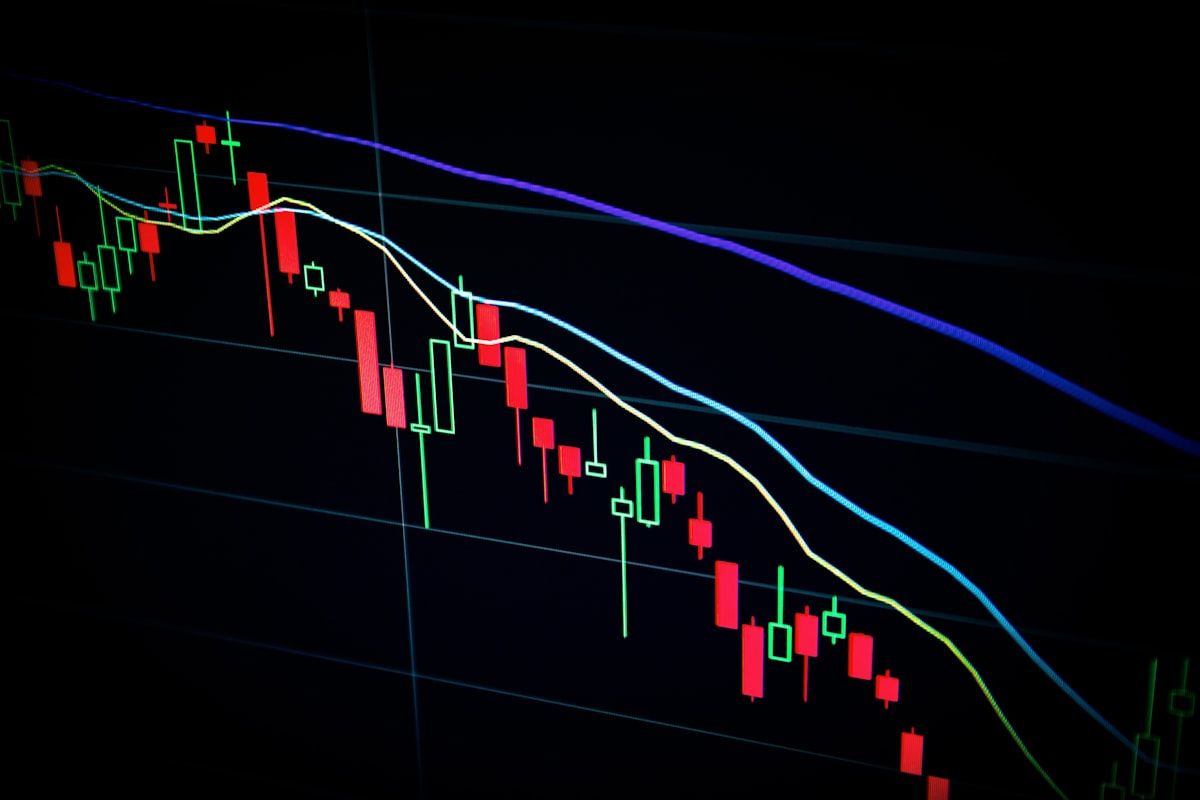
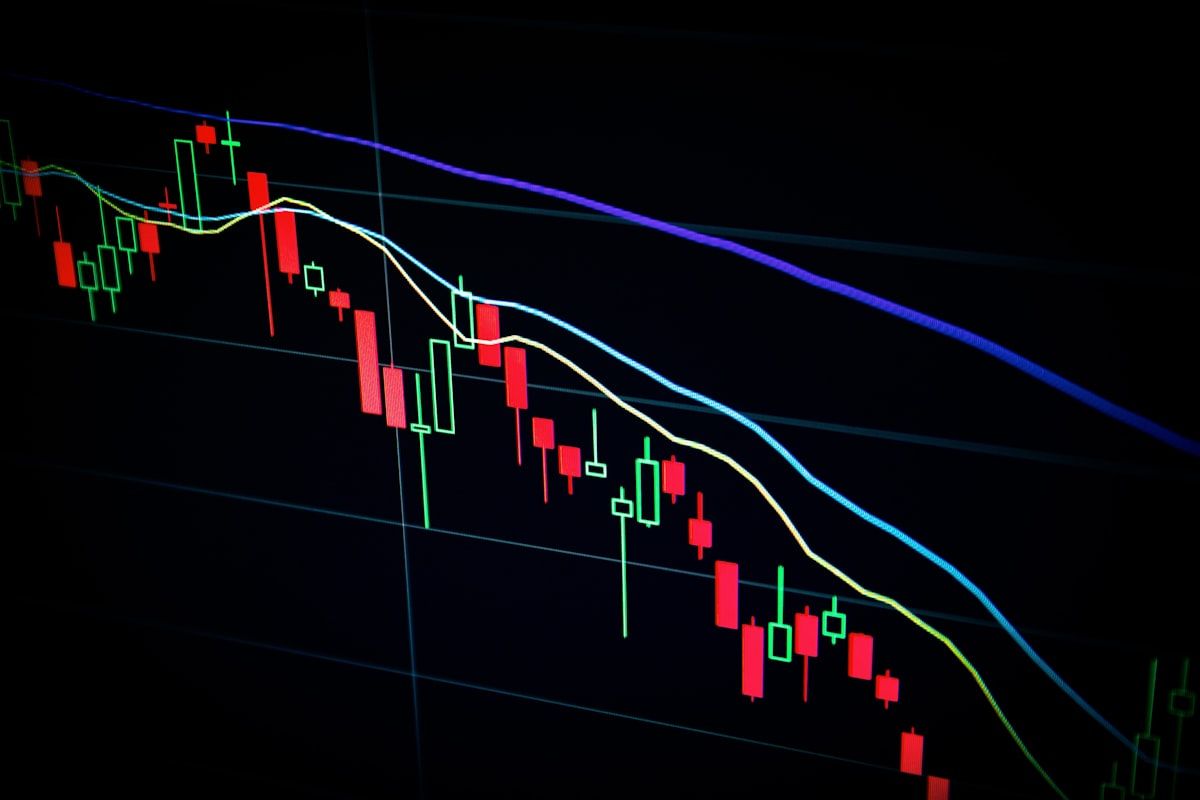
- Price volatility — Cryptocurrency prices can rise or fall sharply within hours or days. Past performance does not predict future results.
- Exchange risk — Exchanges can be hacked, face insolvency, or be subjected to regulatory action. Not all exchanges are equally trustworthy.
- Liquidity risk — Some smaller cryptocurrencies may be difficult to sell quickly at the price you expect.
- Regulatory risk — The legal and tax treatment of cryptocurrency varies by country and continues to evolve. In many jurisdictions, buying and selling cryptocurrency creates taxable events.
- Irreversibility — Blockchain transactions cannot be reversed. If you send cryptocurrency to the wrong address, it is almost certainly gone permanently.
- No consumer protection — Cryptocurrencies are not covered by deposit protection schemes such as the FDIC (in the US) or FSCS (in the UK).
Security Considerations
Best Practices
- Enable two-factor authentication (2FA) on your exchange account immediately. Use an authenticator app rather than SMS-based 2FA where possible.
- Use a strong, unique password for your exchange account. Consider a reputable password manager.
- Never share your account credentials, private keys, or seed phrase with anyone.
- Transfer significant holdings to a personal wallet — ideally a hardware wallet — rather than leaving them on an exchange.
- Keep your seed phrase written down and stored securely offline. Do not photograph it or store it in cloud services.
- Verify URLs carefully. Bookmark the official exchange website to avoid phishing sites.
- Use the exchange's official app, downloaded from the official app store.
Common Scams to Avoid
- Phishing websites — Fake exchange websites that look identical to legitimate ones. Always double-check the URL before entering your credentials.
- Impersonation scams — Someone claiming to be exchange support staff who asks for your login credentials or seed phrase. Legitimate support staff will never ask for these.
- Pump-and-dump schemes — Social media promotions of obscure cryptocurrencies designed to inflate the price before insiders sell, leaving latecomers with losses.
- Fake investment platforms — Platforms that promise guaranteed high returns on crypto investments. These are almost always fraudulent.
- Social engineering — Scammers who build relationships on social media or dating apps before asking victims to invest through a 'trusted' platform they control.
- Fake crypto giveaways — Offers claiming to double your cryptocurrency if you send some first. These are always scams, regardless of who appears to be promoting them.
Frequently Asked Questions
How much money do I need to buy my first cryptocurrency?
Most exchanges allow purchases of any amount, including very small minimums. Some platforms accept purchases as low as $1 to $10. You do not need to buy a whole coin — fractional purchases are standard across most major exchanges.
Is it safe to buy cryptocurrency on an exchange?
Reputable, regulated exchanges take significant security measures, including encryption, two-factor authentication, and in some cases insurance on custodial assets. However, no exchange is completely risk-free. Keeping large amounts on an exchange long-term introduces unnecessary risk. For significant holdings, transferring to a personal hardware wallet is advisable.
Do I need to verify my identity to buy cryptocurrency?
Most regulated centralized exchanges require identity verification (KYC) to comply with anti-money laundering laws. This typically involves submitting a government-issued ID and proof of address. The level of verification required often determines how much you can purchase and withdraw.
What fees should I expect when buying cryptocurrency?
Fees vary by exchange and payment method. Common fees include trading fees (a percentage of each transaction, often ranging from 0.1% to 1.5% or more), deposit fees (especially for card payments), and withdrawal fees. Always review the full fee schedule for any exchange before creating an account.
Can I lose all my money buying cryptocurrency?
Yes. Cryptocurrency is a high-risk asset class. Prices can fall dramatically and quickly. Some cryptocurrencies have lost the majority of their value in short periods. You should only purchase cryptocurrency with money you can afford to lose entirely.
What is the difference between a market order and a limit order?
A market order executes immediately at the best available current price, making it the simplest option for beginners. A limit order executes only if and when the price reaches a level you specify in advance, giving you more control over the price you pay but with no guarantee of execution.
Conclusion
Buying your first cryptocurrency involves several deliberate steps: choosing a reputable exchange, verifying your identity, funding your account, selecting which cryptocurrency to purchase, placing your order, and securing your assets.
The process is accessible to beginners, but it carries real financial risks. Cryptocurrency markets are highly volatile, exchanges can fail, and transactions cannot be reversed. Approaching this space with caution, doing thorough research, and starting with small amounts you can afford to lose is the prudent path for anyone new to digital assets.
Before making any purchases, continue learning about blockchain technology, wallet security, and the regulatory environment in your country. The more you understand, the better equipped you will be to make informed decisions.
Sources
- Investopedia — 'How To Invest in Cryptocurrency With Just $100' — https://www.investopedia.com/how-to-invest-in-crypto-with-just-one-hundred-dollars-11721372
- Coinbase Learn — 'Crypto basics' — https://www.coinbase.com/learn/crypto-basics
- Marine Bank — 'Beginner's Guide to Buying and Using Cryptocurrency' — https://marinebk.com/resource-library/cryptocurrency/beginners-guide-buying-and-using-cryptocurrency
- Veriff — 'What Is KYC In Crypto?' — https://www.veriff.com/kyc/guides/what-is-kyc-in-crypto
- Binance Academy — 'Crypto Trading Basics: A Beginner's Guide to Cryptocurrency Order Types' — https://www.binance.com/en/square/post/28981794817418
- The Motley Fool — 'The Beginner's Guide to Buying Your First Cryptocurrency' — https://www.fool.com/investing/2026/04/03/beginners-guide-to-buying-first-cryptocurrency
- TokenTax — 'Crypto Order Types Explained: How to Use Them' — https://tokentax.co/blog/crypto-order-types
- NerdWallet — 'Cryptocurrency Basics: Pros, Cons and How It Works' — https://www.nerdwallet.com/investing/learn/cryptocurrency
- Mintos — 'How to Start with Crypto in 2025 (Beginner Guide)' — https://www.mintos.com/blog/cryptocurrency-for-beginners