Introduction: What Is Cryptocurrency?
If you've heard the words "Bitcoin," "Ethereum," or "crypto" and wondered what they actually mean — you're not alone. Cryptocurrency is one of the most talked-about financial innovations of the past two decades, yet it remains confusing to millions of people who are just starting to learn about it.
This guide explains what cryptocurrency is, how it works, why it matters, and what you need to understand before you consider buying or using any digital currency.
What Is Cryptocurrency?
A cryptocurrency is a digital or virtual currency that is secured by cryptography — advanced mathematical techniques that make it extremely difficult to counterfeit or manipulate. Unlike traditional currencies such as the U.S. dollar or the euro, which are issued and controlled by central governments and banks, most cryptocurrencies operate on decentralized networks.
According to Investopedia, "A cryptocurrency is a digital or virtual currency secured by cryptography, which makes it nearly impossible to counterfeit or double-spend. Cryptocurrencies exist on decentralized networks that utilize blockchain technology, a distributed ledger secured by a network of computers."
In simpler terms: cryptocurrency is digital money. Instead of bills and coins you can hold in your hand, it exists entirely online — stored on a global network of computers and secured by powerful encryption.
Key Terms to Know
- Cryptography: The science of securing information using mathematical codes and algorithms. This is where the "crypto" in cryptocurrency comes from.
- Blockchain: A digital ledger that records all transactions in a chain of blocks. It is distributed across many computers, making it very hard to tamper with.
- Decentralized: Not controlled by any single entity, such as a bank, corporation, or government.
- Digital wallet: Software or hardware that stores the private keys you need to access and send your cryptocurrency.
- Peer-to-peer (P2P): Transactions that occur directly between users, without an intermediary like a bank.
How Does Cryptocurrency Work?
Cryptocurrency works using a technology called blockchain. A blockchain is essentially a public record book — a ledger — that logs every transaction ever made with a given cryptocurrency. This ledger is not stored in one central place. Instead, it is duplicated and distributed across thousands (sometimes hundreds of thousands) of computers around the world.
When you send cryptocurrency to someone, the transaction is broadcast to this network. Computers on the network (called "nodes") verify the transaction using complex mathematical processes. Once verified, the transaction is added to the blockchain as a permanent record that cannot be altered.
This system works without banks or other middlemen because the network of computers collectively enforces the rules. The rules are built into the software itself, and no single party can change them unilaterally.
The Role of Miners and Validators
Different cryptocurrencies use different methods to verify transactions and add new records to the blockchain. The two most common methods are:
- Proof of Work (PoW): Computers (called "miners") compete to solve complex math problems. The winner adds the next block to the blockchain and earns a reward in cryptocurrency. Bitcoin uses this system.
- Proof of Stake (PoS): Participants lock up ("stake") some of their cryptocurrency as a deposit. They are selected to validate transactions based on how much they've staked and other factors. Ethereum switched to this system in 2022 in an update known as "The Merge."
A Brief History of Cryptocurrency
The history of cryptocurrency begins in 2008, when an anonymous person or group using the name Satoshi Nakamoto published a whitepaper titled "Bitcoin: A Peer-to-Peer Electronic Cash System." This paper proposed a solution to a long-standing problem in digital currency design: the "double-spend" problem — how to prevent someone from spending the same digital money twice.
In January 2009, Nakamoto launched the Bitcoin network by mining the first block — known as the "genesis block." Bitcoin became the world's first successful decentralized digital currency. The identity of Satoshi Nakamoto has never been confirmed.
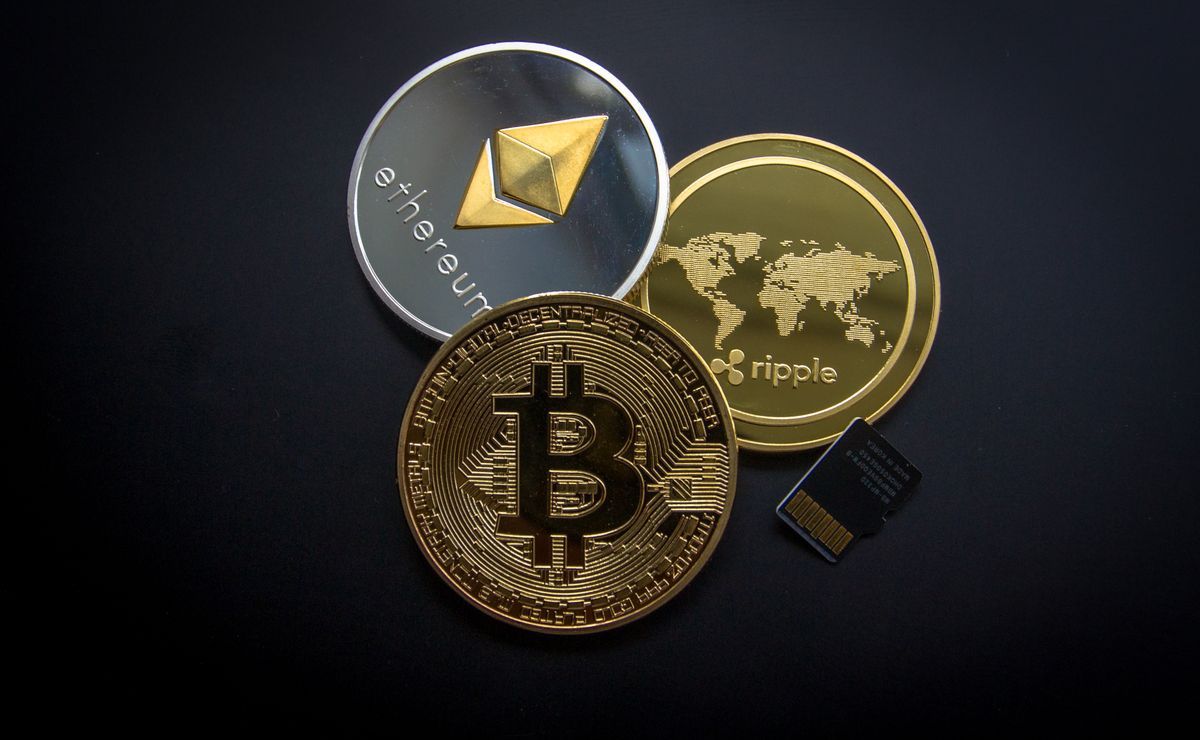
Since Bitcoin's launch, thousands of other cryptocurrencies — often called "altcoins" — have been created. Today, some of the most widely known include Ethereum (ETH), Tether (USDT), Solana (SOL), and XRP.
Why Cryptocurrency Matters
Cryptocurrency represents a fundamentally new approach to money and financial transactions. Here's why it matters to many people:
- Financial access: According to Coinbase, cryptocurrencies can provide equal financial access to anyone with a smartphone and an internet connection — regardless of where they live or whether they have a traditional bank account.
- Borderless transfers: Sending cryptocurrency across borders can be faster and cheaper than traditional wire transfers.
- Transparency: All transactions on most public blockchains are visible to anyone, making it harder to engage in fraud or manipulation by financial intermediaries.
- User control: With cryptocurrency, you can hold and transfer your own digital assets without relying on a bank.
- Innovation platform: Cryptocurrencies like Ethereum enable "smart contracts" — self-executing agreements written in code that power a growing ecosystem of decentralized applications (DApps) in finance, gaming, supply chains, and more.
Limitations and Risks to Understand
- Volatility: Cryptocurrency prices can fluctuate dramatically in short periods. This makes them risky as short-term investments.
- Regulatory uncertainty: Laws governing cryptocurrency vary widely by country and continue to evolve.
- Irreversible transactions: Unlike credit card payments, most cryptocurrency transactions cannot be reversed once confirmed.
- Energy use: Proof of Work cryptocurrencies like Bitcoin require significant amounts of electricity to power their mining networks.
Real-World Example: Sending Bitcoin Across the Globe
Imagine you want to send money to a family member in another country. With a traditional bank transfer, you might pay a fee of $20–$50, wait several business days, and deal with currency conversion rates set by the bank.
With cryptocurrency, the process looks very different. You open your digital wallet app, enter the recipient's wallet address (similar to an email address), specify the amount in Bitcoin or another cryptocurrency, and confirm the transaction. The Bitcoin network verifies the transaction, and your family member receives the funds — often within minutes, for a fraction of the cost of a traditional wire transfer.
This example illustrates one of the practical advantages of cryptocurrency: the ability to move value across borders quickly and with fewer intermediaries. This does not mean cryptocurrency is without risk — exchange rate fluctuations and wallet security are important considerations — but it demonstrates a real use case that many people around the world are already using.
Security Considerations for Beginners
Before you buy, use, or store any cryptocurrency, it's essential to understand the security landscape:
Best Practices
- Use reputable exchanges: Only buy and sell cryptocurrency on well-known, regulated platforms.
- Secure your wallet: Use strong, unique passwords and enable two-factor authentication on any account that holds cryptocurrency.
- Never share your private key or seed phrase: These are the keys to your funds. Anyone who has them can steal your cryptocurrency.
- Double-check wallet addresses: Cryptocurrency transactions are irreversible. Always verify a recipient's address before sending.
Common Scams to Avoid
- Phishing attacks: Fake websites or emails that mimic legitimate exchanges to steal your login credentials.
- "Get rich quick" promises: No legitimate investment guarantees massive returns. Be extremely skeptical of anyone promising quick profits.
- Fake exchanges or wallets: Only use apps and websites from verified, reputable sources.
- Rug pulls: In some new cryptocurrency projects, the creators disappear after raising money from investors. Research thoroughly before investing in any new or lesser-known cryptocurrency.
Frequently Asked Questions
Is cryptocurrency real money?
Cryptocurrency functions like money in that it can be used to buy goods and services, transferred between people, and held as a store of value. However, most governments do not recognize it as official legal tender. In the U.S., for example, the dollar remains legal tender, while cryptocurrency is treated more like property for tax purposes by the IRS.
How many cryptocurrencies are there?
There are thousands of cryptocurrencies in existence. Bitcoin and Ethereum are the two largest by market capitalization. According to CoinMarketCap, there are over 20,000 cryptocurrencies listed, though the vast majority are very small or inactive.
Is cryptocurrency safe?
The underlying blockchain technology behind major cryptocurrencies like Bitcoin is considered highly secure. However, the exchanges, wallets, and user practices surrounding cryptocurrency have been sources of significant losses due to hacks, scams, and user error. Safety depends largely on how carefully you manage your digital assets.
Is cryptocurrency legal?
In the United States, cryptocurrency is legal. Multiple agencies — including the SEC and CFTC — regulate different aspects of the crypto market. However, regulations vary significantly by country. Some nations have banned or restricted cryptocurrency outright, while others have embraced it. Always check the laws in your country before buying or using cryptocurrency.
Do I need to buy a whole Bitcoin?
No. Bitcoin and most other cryptocurrencies are divisible into very small units. One Bitcoin is divisible into 100 million units called "satoshis." You can purchase as little as a few dollars' worth of Bitcoin or other cryptocurrencies on most major exchanges.
What is the difference between a coin and a token?
A coin is the native digital asset of its own blockchain (e.g., Bitcoin on the Bitcoin blockchain, Ether on the Ethereum blockchain). A token is a digital asset built on top of an existing blockchain. Tokens often represent a specific use within an application or platform, rather than serving as standalone currencies.
Conclusion
Cryptocurrency is a digital form of money secured by cryptography and recorded on decentralized blockchain networks. It was born with the launch of Bitcoin in 2009 and has since grown into a global ecosystem of thousands of digital assets.
As a beginner, the most important things to understand are: how blockchain technology creates trust without a central authority, why price volatility and security risks are real concerns, and how to protect yourself from scams.
Cryptocurrency is still a relatively new and evolving technology. Before buying or using any digital currency, take the time to research thoroughly, understand the risks involved, and consider speaking with a qualified financial advisor. Knowledge is your best tool for navigating this space safely.
Sources
- Investopedia — "Cryptocurrency Explained With Pros and Cons for Investment" — https://www.investopedia.com/terms/c/cryptocurrency.asp — Updated April 30, 2026
- Coinbase — "What is Cryptocurrency?" — https://www.coinbase.com/learn/crypto-basics/what-is-cryptocurrency
- Satoshi Nakamoto — "Bitcoin: A Peer-to-Peer Electronic Cash System" — https://bitcoin.org/bitcoin.pdf — October 31, 2008
- Ledger Academy — "When Was Bitcoin Invented?" — https://www.ledger.com/academy/topics/crypto/when-was-bitcoin-invented
- Investopedia — "Unveiling Satoshi Nakamoto: The Mysterious Creator of Bitcoin" — https://www.investopedia.com/terms/s/satoshi-nakamoto.asp
- U.S. Securities and Exchange Commission (SEC) — "Crypto Task Force" — https://www.sec.gov
- Internal Revenue Service (IRS) — "Digital Assets" — https://www.irs.gov/businesses/small-businesses-self-employed/digital-assets
- Ethereum Foundation — "The Merge" — https://ethereum.org/en/upgrades/merge/