Markets closed higher Friday to cap a broadly positive week, but the rally masks a volatile crosscurrent of forces heading into what could be the most consequential Fed meeting in over a year. Here's everything that moved markets this week and what to watch as the calendar turns.
Week in Review: Indexes Bounce Back
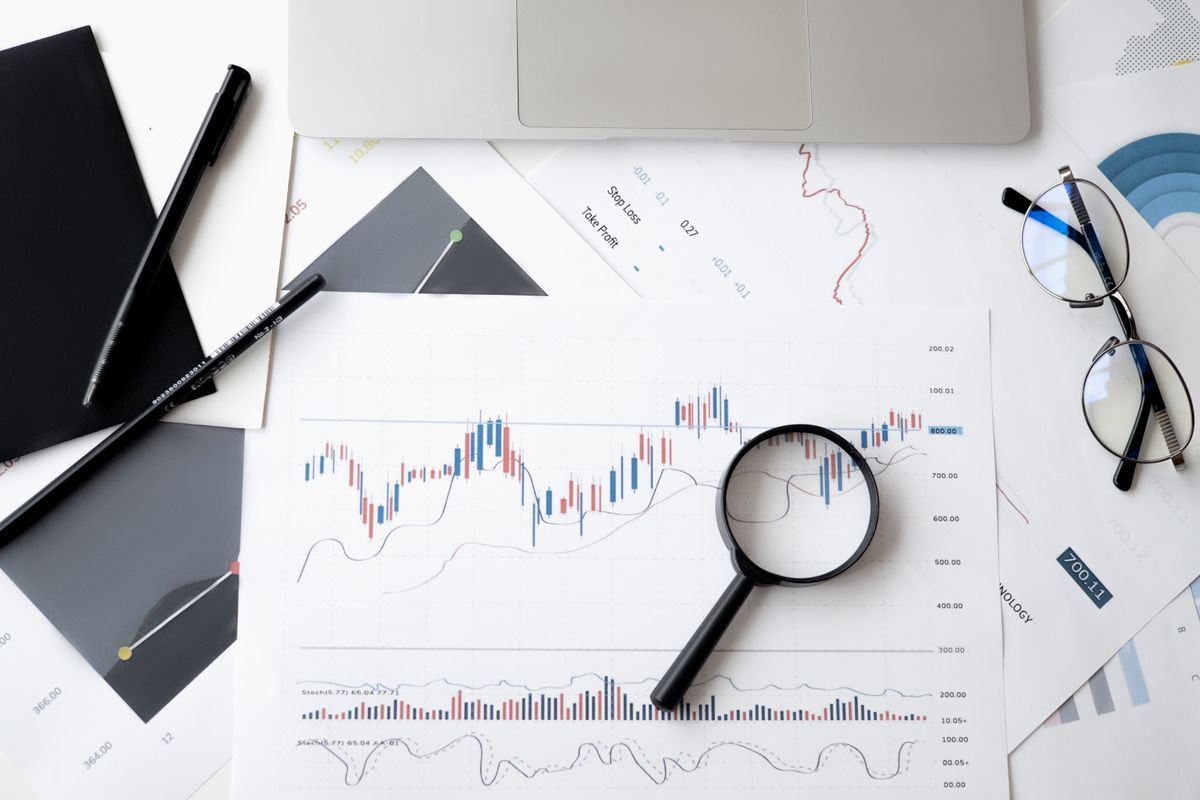
The S&P 500 gained 0.5% on the week, posting its 10th positive week in the last 11 — a streak not seen since early 2024. The Dow added 0.6% while the Nasdaq edged up 0.6%, with all three indexes recovering from a down week prior. Year-to-date, the S&P 500 is up roughly 8.5%, the Nasdaq leads at approximately 11%, and the Dow trails at about 6.5%.
But beneath the surface, the picture is more complicated. A trillion-dollar selloff in chipmakers on June 5 was followed by a sharp 5.6% rebound in the Philadelphia Semiconductor Index on Monday, underscoring just how jittery traders are around tech valuations.
SpaceX Makes History With Largest IPO Ever
The week's headline event was SpaceX's Nasdaq debut on Thursday under ticker SPCX. The company priced shares at $135, opened at $150, and closed above $160 — a 19% first-day pop that valued the company at approximately $1.8 trillion. The roughly $75 billion raised makes it the largest IPO in history by a wide margin.
The listing pushed Elon Musk past the $1 trillion net worth mark, making him the world's first trillionaire according to Forbes' real-time tracker. Other space-related stocks sold off sharply on the news, with Virgin Galactic, Rocket Lab, and Planet Labs dropping 8% to 27% as investors rotated capital into the new listing.
Oil Drops on Iran Deal Hopes, Gas Prices Ease
WTI crude fell 3.8% to $84.35 per barrel and Brent dropped 3.5% to $87.33 after reports of progress in US-Iran negotiations. The national average for regular gasoline has now declined to $4.11 per gallon, down 45 cents from the mid-May peak of $4.56. Twenty-four states are back below $4 per gallon.
Travel stocks rallied on the lower fuel costs, with airlines Delta, United, and American and cruise operators Royal Caribbean, Carnival, and Norwegian all gaining 1.5% to 2%. However, the situation remains fluid — conflicting accounts from Washington and Tehran about the terms of a potential deal suggest this story is far from resolved.
Stagflation Signals Flash Yellow
The economic data this week painted a worrying picture. The Producer Price Index for May came in hot at +1.1% month-over-month and +6.5% year-over-year, the highest annual reading since November 2022. Weekly jobless claims ticked up to 229,000, the highest level since February.
Perhaps most concerning: the University of Michigan consumer sentiment survey showed 54% of respondents expect unemployment to rise over the next 12 months. ING economist James Knightley noted that reading "is on a par with the readings experienced during the Global Financial Crisis and the early 1990s recession." The combination of rising prices and deteriorating labor market expectations has traders whispering the S-word: stagflation.
The Big Event: Warsh's First Fed Meeting (June 16-17)
All eyes turn to the Federal Reserve next week as new Chair Kevin Warsh leads his first FOMC meeting. The CME FedWatch tool shows a 96% probability of rates holding steady, so the decision itself is not the story — the language is.
Markets widely expect the Fed to remove its "easing bias" language, formally signaling that rate cuts are off the table and that hikes are a live option for later this year. Fed Governor Christopher Waller has already laid the groundwork, stating in May that "inflation is not headed in the right direction" and advocating for the language change.
The CME FedWatch tool now prices in one to two rate hikes as relatively likely in 2026, with September or October as the most probable timing. This would be a dramatic reversal from the start of the year when markets were pricing in cuts. The irony is not lost on anyone that Warsh, appointed by President Trump partly due to criticism of Jerome Powell's policies, may end up raising rates — something Powell declined to do in his final years as Chair.
What to Watch Next Week
- FOMC Decision & Press Conference (Wednesday): Rate decision at 2pm ET, Warsh press conference at 2:30pm. Watch for removal of easing bias and any forward guidance changes.
- Iran Negotiations: Any breakthrough or breakdown in US-Iran talks could swing oil prices 5-10% in either direction, rippling through inflation expectations.
- SpaceX Price Action: With lock-up provisions and potential index inclusion speculation, SPCX trading will draw massive attention in its second week.
- Nvidia China Developments: Reports that NVDA is telling Chinese customers its Vera CPU could ship as early as August adds another layer to the US-China tech story.
- Adobe Fallout: After losing 7% Friday and roughly half its value in 12 months, ADBE is a bellwether for whether the market will continue punishing companies perceived as AI laggards.
Market Data Snapshot (Friday Close)
S&P 500: +0.5% weekly | Dow Jones: +0.6% weekly | Nasdaq: +0.6% weekly | 10-Year Treasury: 4.49% | WTI Crude: $84.35 | Gold: $4,230/oz | Bitcoin: ~$63,600 | Dollar Index: 99.78
Bottom Line
The market is riding a remarkable winning streak, but the macro environment is getting more treacherous. Inflation is accelerating, the Fed is pivoting hawkish under new leadership, and geopolitical risk in the Middle East remains the wild card for energy prices and consumer spending. The SpaceX IPO injected excitement, but the real test comes Wednesday when Kevin Warsh steps to the podium and the market finds out what the new Fed looks like. Stay sharp.